

What is PPIE?
- Explains PPIE and why it matters
- Published: November 2025
- Reading time: 10 mins
PPIE stands for Patient and Public Involvement and Engagement
It means people affected by lupus and researchers working together, so research focuses on the questions that really matter, reflects everyone’s experience, and leads to better care and treatment.
You don’t need any research background to get involved, and it’s not just for people with lupus – carers, family members, and others in the community all have valuable perspectives to share.
Involvement, Participation and Engagement Explained
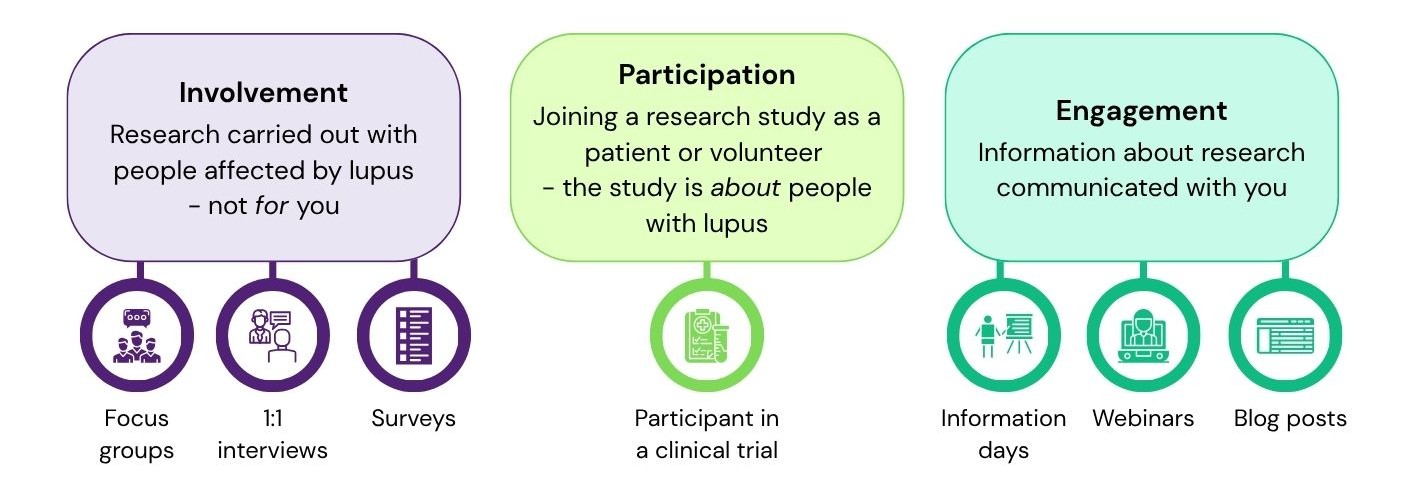
Involvement is when research is carried out with people affected by lupus, rather than for them. This can include helping to decide what topics to study, how to design a project, or how to share results – for example, through taking part in focus groups, interviews or surveys.
Participation is slightly different to involvement. This is when you join a research study, like a clinical trial, as a patient or volunteer and the study is about you.
Engagement is when information about research is shared with the community. This could be through blog posts, webinars or information days.
Strictly speaking, PPIE refers to involvement and engagement. But because our research network covers all three ways people connect with research, we explain them together here.
Involvement vs Participation vs Engagement
To recap:
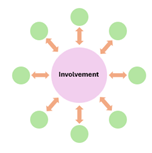
Involvement = two-way:
People affected by lupus and researchers shape research together
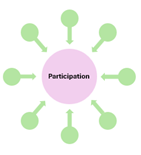
Participation = one-way:
People affected by lupus are the subject of the study
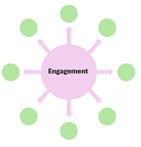
Engagement = one-way:
Information about research is shared with the community
What does PPIE look like in practice?
Shaping priorities
- Helping decide what should be researched
- Reviewing applications for grants
Improving trial design
- Checking assessments fit around daily life
- Making sure trials are inclusive
- Ensuring researchers monitor things important to you
Making Research Accessible
- Making forms and information plain language
- Removing barriers to take part
Sharing and using results
- Advising on communication channels
- Co-developing plain language summaries
Learning and feedback
- Reflecting on how future trials can improve
Inclusion is essential: PPIE works best when it reflects the diversity of the lupus community – people of different ages, ethnicities, genders, and those living in rural or under-served areas. Everyone’s voice matters.

Why does PPIE matter?
Your time and experience are valued – you bring insights researchers can’t get anywhere else. When your perspectives guide research, studies become more relevant, better designed, and more likely to improve care.
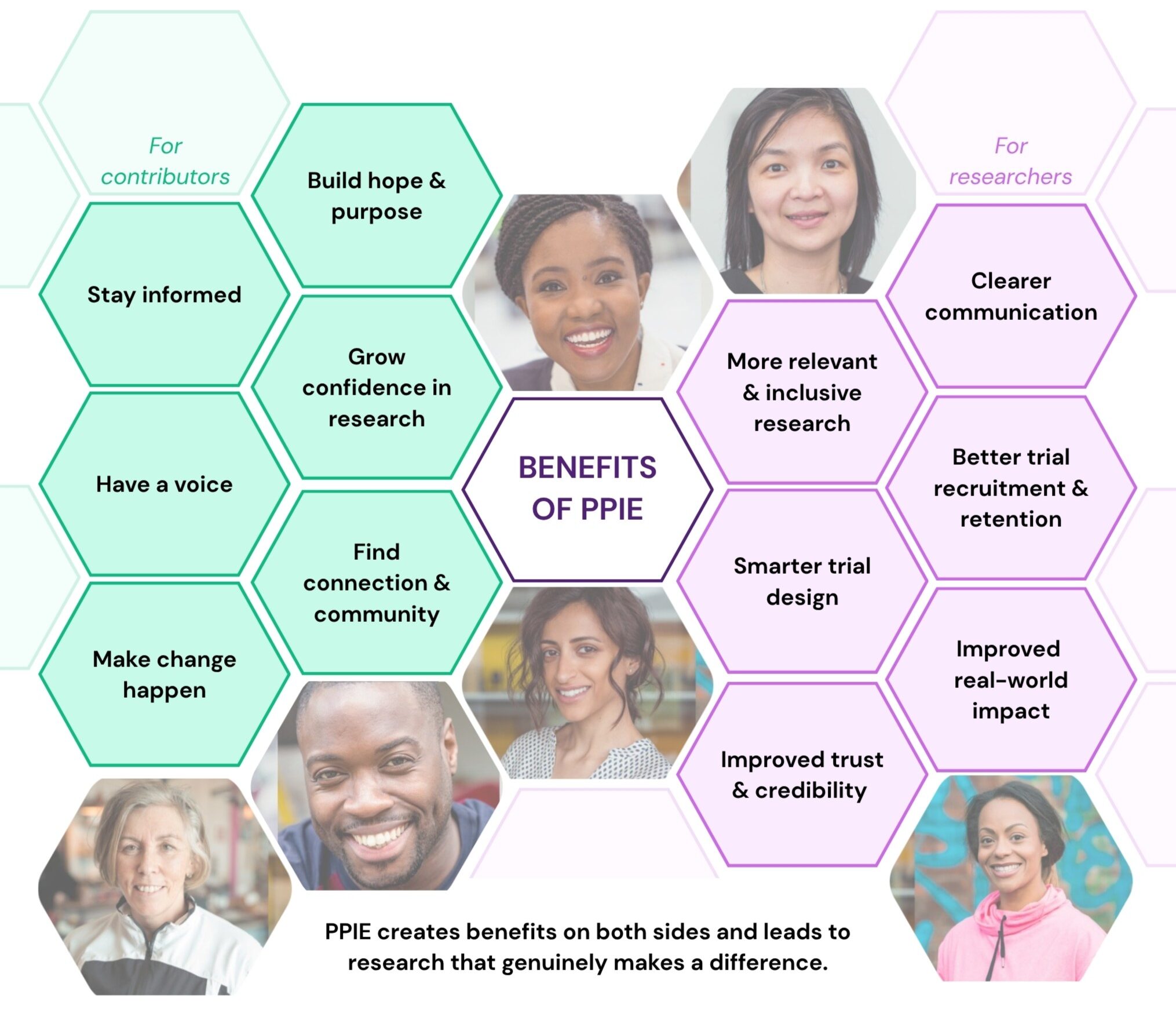
For people affected by lupus, involvement can help you:
Stay informed, have a voice, make change happen, build hope and purpose, grow confidence in research and find connection and community.
For researchers, involvement helps build:
More relevant and inclusive research, smarter trial design, improved trust and credibility, clearer communication, better trial recruitment and retention and improved real-world impact.
PPIE creates benefits on both sides and leads to research that genuinely makes a difference.
Let’s make a difference together
Want to help shape lupus research? Join Lupus UK’s research network.
To find out more about the network, read our article here.
Tell us what you think. If anything in this article wasn’t clear, or if you have ideas for how we can improve PPIE, please share them here.
Click here to download an offline PDF version of this article.