

Article by Isabella S.

Lupus and Sleep
As someone who has lived with lupus for years, I wanted to share my experience with sleep and fatigue and what has helped me cope. Sleep and lupus have a complicated relationship, and if you’re reading this and are nodding along, know that you’re not alone.
According to Lupus UK, the two most common symptoms of lupus are joint/muscle aches and pains and extreme fatigue. Almost 90% of lupus patients report experiencing fatigue, which can cause substantial impairments in quality of life and work disability.
Fatigue with lupus is not just tiredness. It is bone-deep exhaustion; it is the kind that no nap or early night can fix.
The Reality of Lupus and Sleep
I never expected sleep to be such a struggle. Not just during flares – always. It is a frustrating mix of exhaustion and what I have come to know as painsomnia.
Painsomnia is a non-medical term used to describe insomnia caused by chronic pain. It’s a blend of pain and insomnia, and while not officially recognised in medical literature, it is widely used by people living with chronic conditions. I first heard it from my mother, who also has lupus, when I described my difficulty falling or staying asleep despite feeling utterly drained.
Some nights, I lie awake for hours with aching joints, trying to find a position that doesn’t feel like I am sleeping on gravel. Even the bed sheet resting on my feet can hurt. Other nights, I fall asleep easily but wake up constantly. And mornings? I never feel like I’ve slept at all.
The Ripple Effects of Poor Sleep
This sleep disruption leads to a cascade of challenges in daily life:
- Brain fog → impairing concentration, memory, and decision-making
- Pain amplification → poor sleep intensifies joint and muscle pain
- Reduced stamina → everyday activities like walking, cooking, or working may require frequent breaks
- Social withdrawal → unpredictable routines make planning difficult
- Emotional toll → frustration, guilt, and isolation can creep in
It is a vicious cycle, and sometimes it feels almost unbearable. But knowing others are going through similar experiences brings a sense of solidarity, and a chance to share what helps.
What Has Helped Me Sleep Better with Lupus
Everyone has their own ways of making living with lupus easier, but here are a few tricks that sometimes make the hard nights a little easier for me :
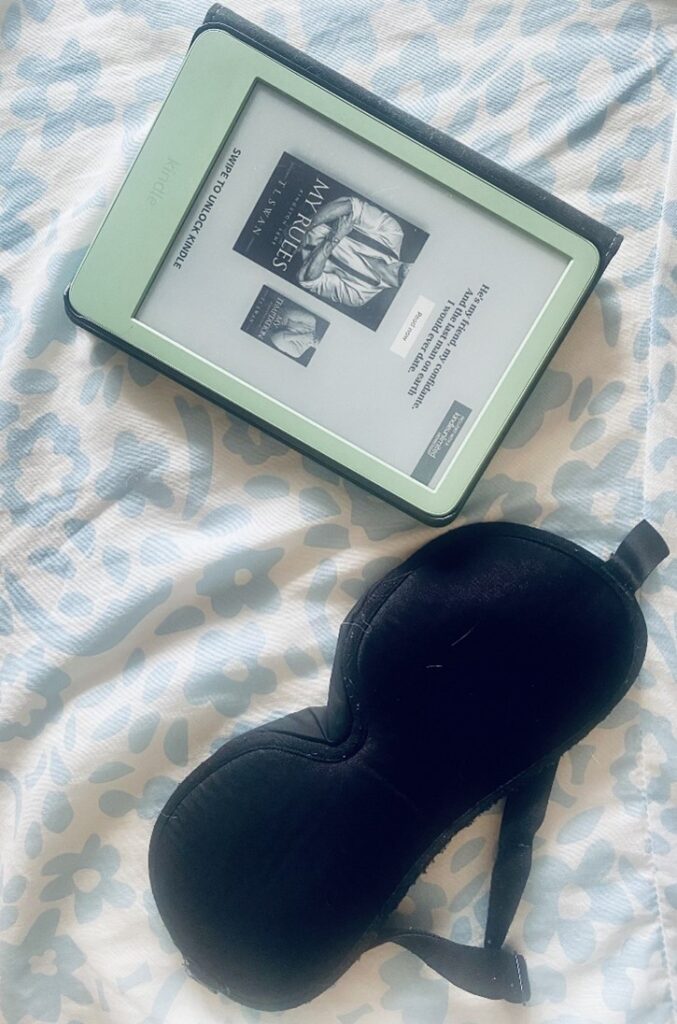
- Creating a ‘wind-down’ ritual. I used to scroll through my phone or watch a show until I passed out. Now I try to put my screens away at least 30
- minutes before bed (not always perfectly, but I try). I might make a cup of tea, read a few pages of a book, and dim the lights to try and give my brain a signal — we are done for the day.
- Managing pain before bed. If I ‘push through’ the pain and skip evening medication or stretching, I always regret it. I have learned to treat nighttime like prep work: heat pads, gentle stretching, a warm shower or bath, whatever it takes to get the body to ease up before lying down.
- Making my bedroom a little sleep haven. I wear a sleeping mask and listen to relaxing music every night. It’s made a huge difference. My husband and I also splurged on a new mattress when I was diagnosed, and it instantly helped. If I am going to spend half the night tossing and turning, I might as well be doing it on something soft!
- Letting go of guilt around rest. This was big. For a long time, I felt lazy or ‘unproductive’ for needing more rest than others. But having Lupus does not make you lazy – it is a full-time job. If I need to nap during the day or go to bed early, that is not weakness; it is surviving. Napping has boosted my alertness, mood, and cognitive function. I now don’t know how I’d get through the day without one.
It is important to note that some nights will still suck, and that is okay.
Not every trick works every time and although these tricks have helped me, they do not work every night. The symptoms persist and so I am learning to try not to force a ‘normal’ sleep schedule that doesn’t fit the body I am living in now.
Remember, you are not alone. You are not doing anything wrong, and it is just part of this wild, exhausting ride that is lupus. But even in the worst flare or the most restless night, you are doing better than you think.
You deserve rest, without guilt.
Article by Isabella S.