

Understanding CAR-T Therapy for Lupus: New Video Series
The animated videos were funded by Autolus Ltd. Autolus had no input into the content of the video, and Lupus UK held full editorial control and remain independent of Autolus. Autolus did not fund and had no input into this article.
Chimeric Antigen Receptor T-cell therapy (CAR-T cell therapy) has previously shown positive results in treating blood cancers. Based on how this treatment works, efforts have turned towards exploring their potential in treating autoimmune diseases like lupus. We have developed three animated videos to help you understand CAR-T therapy, how it may work in lupus, and how clinical trials may work for CAR-T.
- What is lupus? – https://youtu.be/X-SqIiJ34dI
- What Is CAR T-Cell Therapy? – https://youtu.be/cztfQ5orwKk
- Clinical Trials with CAR T-Cell Therapy – https://youtu.be/29WXeMzI79E
What is CAR-T Cell Therapy?
Chimeric Antigen Receptor T-cell therapy commonly known as “CAR-T cell therapy” is a type of immunotherapy that was originally developed to treat certain types of blood cancers. Now, researchers are exploring its potential to treat autoimmune conditions such as lupus.
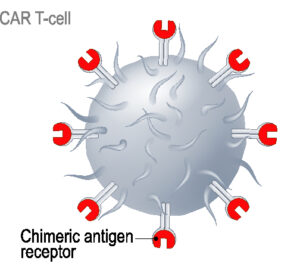 The immune system consists of many different types of cells, including “T cells” and “B cells”. B cells produce antibodies to signal other immune cells, such as T cells, to fight off infections. However, in lupus, B cells mistakenly produce “autoantibodies”, which cause the immune system to attack the body’s own tissues. This results in inflammation and damage.
CAR-T therapy involves collecting a patient’s T cells and modifying them in a lab to attach special receptors called chimeric antigen receptors (CARs). These help the T cells to identify and destroy the B cells that create the autoantibodies. Once modified, these CAR-T cells are infused back into the body, where they work to eliminate the faulty B cells and ideally “reset” the immune system.
What Happens During CAR-T Therapy?
CAR-T therapy typically includes the following stages:
- Cell Collection (Leukapheresis): Your white blood cells, including T cells, are collected.
- Cell Engineering: The T cells are modified in a lab to produce CARs and then multiplied. This process can take a few weeks.
- Lymphodepletion: A short course of treatment is given to lower the number of existing white blood cells, creating space for the CAR-T cells. Sometimes this is referred to as “conditioning treatment”, and you may also hear it called “chemotherapy” because some of the drugs used in lymphodepletion are also used in chemotherapy.
- Infusion: The CAR-T cells are given back to you via a drip during a hospital stay. They are given as a one-time infusion in hospital.
- Monitoring: Close follow-up is necessary, often involving hospital stays of 10 to 30 days. This may vary depending on the specific trial and how you respond to the treatment.
After the treatment, you would continue to be monitored, often including blood tests and questionnaires. As part of a clinical trial, you would be told what monitoring would be needed afterwards, and how often, before you agreed to take part.
How Might It Help People with Lupus?
If you have severe lupus that hasn’t responded well to existing treatments, CAR-T therapy might offer a new approach. A small clinical trial in 2022 involving five people with severe systemic lupus erythematosus (SLE) showed that all five experienced remission, with no lupus medications needed for three to seventeen months afterwards. These initial results are promising, but this was a very small study, so more research needs to be done with more people to see if it is safe and effective and, if so, who it might be most effective for.
There are clinical trials starting or starting soon for CAR-T therapy for people with lupus and other autoimmune disease in the UK.
Are There Risks or Side Effects?
There is not enough research yet, so it is not clear what the side effects or risks may be for people with lupus. We will know more as more research reports results and when there has been longer follow-up of participants from current trials.
From the 2022 study of people with lupus and experience from its use in blood cancer, some potential side effects include:
- Allergic reactions during the infusion – Medications given during infusions can cause allergic reaction which may differ in severity.
- Low blood cell counts – During the lymphodepletion stage blood cell count can fall really low.
- A weakened immune system – White blood cells are an important part of your immune system. Depleting them can cause your immune system to weaken and make you more prone to infection.
- Complications involving the nervous system.
In some trials, patients may have to stop taking lupus medication temporarily, which could risk flare-ups. Not all risks are yet known because CAR-T for lupus is still being studied. Before joining a trial, all possible side effects and safety concerns will be discussed with you thoroughly so you can give informed consent.
Will CAR-T Work for All People with Lupus?
Lupus is a complex disease that affects people differently. It’s possible that CAR-T therapy may not work equally well for everyone or for all lupus subtypes. More data from larger trials is needed to determine how effective and safe CAR-T therapy is across the broader lupus population. It is not clear yet whether there are specific patient characteristics that impact how people respond to CAR-T.
Is CAR-T Therapy Available for Lupus in the UK?
Currently, CAR-T therapy is only licensed for certain types of blood cancer in the UK. It is not available as a routine treatment for lupus or other
autoimmune diseases yet. However, several clinical trials are underway or beginning soon across the UK. Only people with lupus who are participating in a trial can receive CAR-T therapy.
Can I Take Part in a CAR-T Trial?
If you’re interested in participating in a CAR-T trial, speak with your rheumatologist. You usually cannot refer yourself or contact the trial team yourself, and usually your doctor must assess your eligibility and make a referral if appropriate.
You can also:
- Sign up to the Lupus UK E-newsletter or check our website for trial updates
- Search for “lupus” on the Be Part of Research website (https://bepartofresearch.nihr.ac.uk/)
- Visit the NHS website to learn about clinical trials (https://www.nhs.uk/tests-and-treatments/clinical-trials/)
- Watch our video on CAR-T therapy and clinical trials (https://youtu.be/29WXeMzI79E)
Each trial has “eligibility criteria” based on age, symptoms, previous treatments, etc. that determine who can participate. Different trials can have different eligibility criteria.
New Video Series to Help You Understand CAR-T
To help people living with lupus, their friends, and family understand CAR-T therapy, Lupus UK has teamed up with Cognitant to produce a three- part video series. The videos aim to explain the science and walk viewers through the clinical trial process.
 The three topics covered are:
- What is lupus? – https://youtu.be/X-SqIiJ34dI
- What is CAR-T therapy? – https://youtu.be/cztfQ5orwKk
- CAR-T clinical trials: what to expect if you or a loved one is considering taking part - https://youtu.be/29WXeMzI79E
If you or someone you know is considering joining a CAR-T clinical trial, the third video in the series offers a helpful overview of what to expect. It covers the purpose of trials, what the process looks like, and the kind of support participants receive.
 You can also watch Lupus UK’s “Experiences of Clinical Trials” video to hear firsthand stories about what it’s like to join a trial, what concerned them, what gave them hope, and how they felt afterward. It also includes information from healthcare professionals about what a clinical trial is and how they work: https://youtu.be/L0xYs9mfOEk
You can find the full video series and more resources on the Lupus UK website.
When Will CAR-T Be Available on the NHS?
CAR-T is not likely to be available on the NHS soon.
It is too early to say when (or if) CAR-T will be available on the NHS for lupus. First, researchers need to confirm it is safe and effective, and who it is safe and effective for. If trials show consistently positive results, CAR-T will then need to pass through NHS approval processes, a step that can take years. If results are not positive, it may not reach NHS use.
What Happens Next for CAR-T and lupus?
CAR-T cell therapy is one of the most exciting potential breakthroughs in lupus treatment in recent years. It may provide hope for people with treatment-resistant disease. But it’s important to understand that, the research is still in its early stages, and only a small number of people have received the therapy.
Larger trials with a wider range of people are necessary to answer key questions about its safety, effectiveness, and who it works best for. Not all people with lupus may be benefit from CAR-T therapy, and it is also important to understand potential side effects and long-term impact. Until more research is complete, CAR-T therapy remains experimental but promising.. It will not be available as a treatment option until this research is done.
Lupus UK would like to thank Autolus Ltd. This video was funded by Autolus Ltd. Autolus had no input into the content of the video, and Lupus UK held full editorial control and remain independent of Autolus. Lupus UK would also like to thank Cognitant for producing these videos.