In this article, we use “lupus” instead of “SLE” (systemic lupus erythematosus).
Viruses like flu, COVID-19, and respiratory syncytial virus (RSV) spread easily during the colder months. They can cause serious illness in people with lupus taking immunosuppressant medicine. Vaccines can prevent these viruses from making you very ill and having to go to hospital.
This page gives information about flu, COVID-19 and RSV vaccination for people who have lupus. It also has information about which types of vaccines can be given to people with lupus.
Lupus and different types of vaccines
If you have been taking immunosuppressant medicine, you can’t have certain vaccines called “live vaccines”. But you can have “non-live” vaccines.
Live vaccines use a weakened form of a virus. The weakened virus doesn’t cause actual disease, but it can still grow in your body. Your immune system can then learn how to fight the virus. Live vaccines can’t be given to people with weakened immune systems because they might not be able to fight the virus. This could give them a serious infection. This is why you can’t have live vaccines if you have lupus and you have been taking immunosuppressant medicine.
However, “non-live vaccines” can be given to people with lupus taking immunosuppressant medicine. Non-live vaccines don’t use a living virus. Instead, they give your body a dead virus, or a small piece of a virus. This means the virus can’t grow in your body, but your immune system can still learn how to get rid of it in case you catch the virus in future.
If you have any worries about getting a vaccine, talk to your GP.
Flu vaccine
Flu can cause a high temperature, muscle aches and chills. It can also cause a headache, a dry cough, sore throat and stuffy nose.
The flu vaccine protects against the main types of flu each year. For autumn 2026, people with lupus can get the flu vaccine for free if they are taking:
- rituximab or another biologic medicine
- steroids in certain doses
- other immunosuppressant medicines
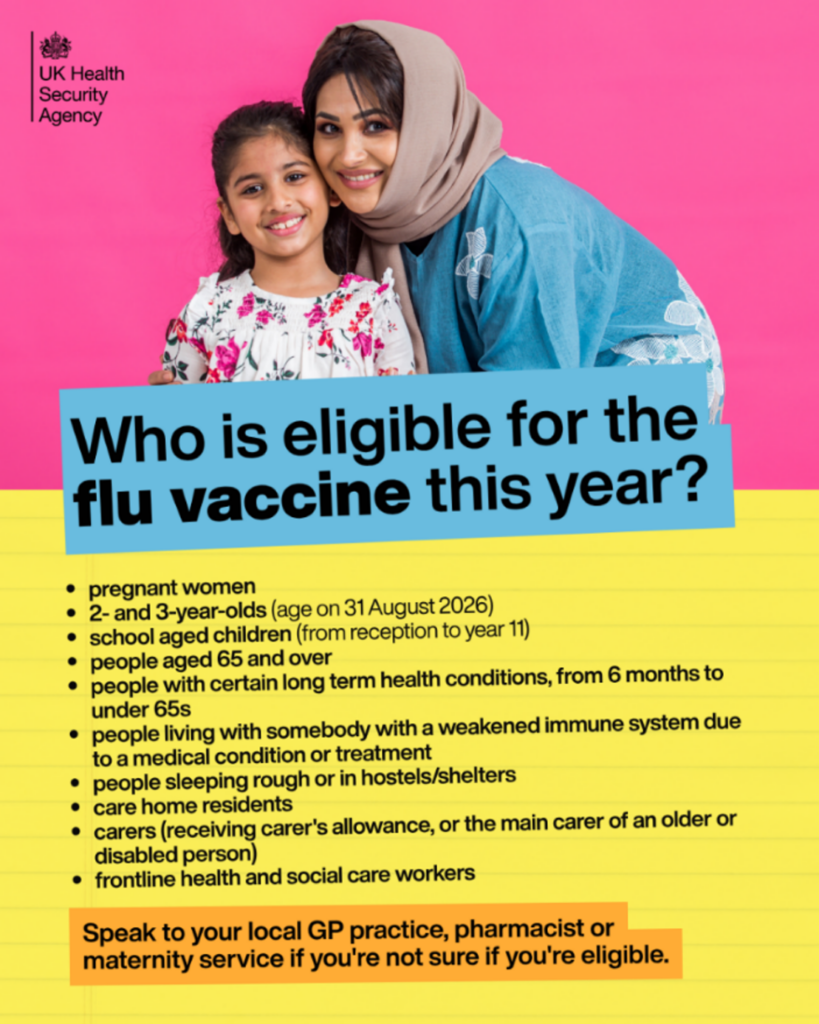
People who live with them can also get the vaccine for free. Other groups that can get the vaccine are listed in the picture on the right.
Find out more about the flu vaccine and how to get it at the links below:
COVID-19 booster vaccine
It is still possible to get COVID-19. It can cause a sore throat, blocked nose, headache, shortness of breath and a cough. It can also make you feel sick, make you not want to eat and change your taste or smell.
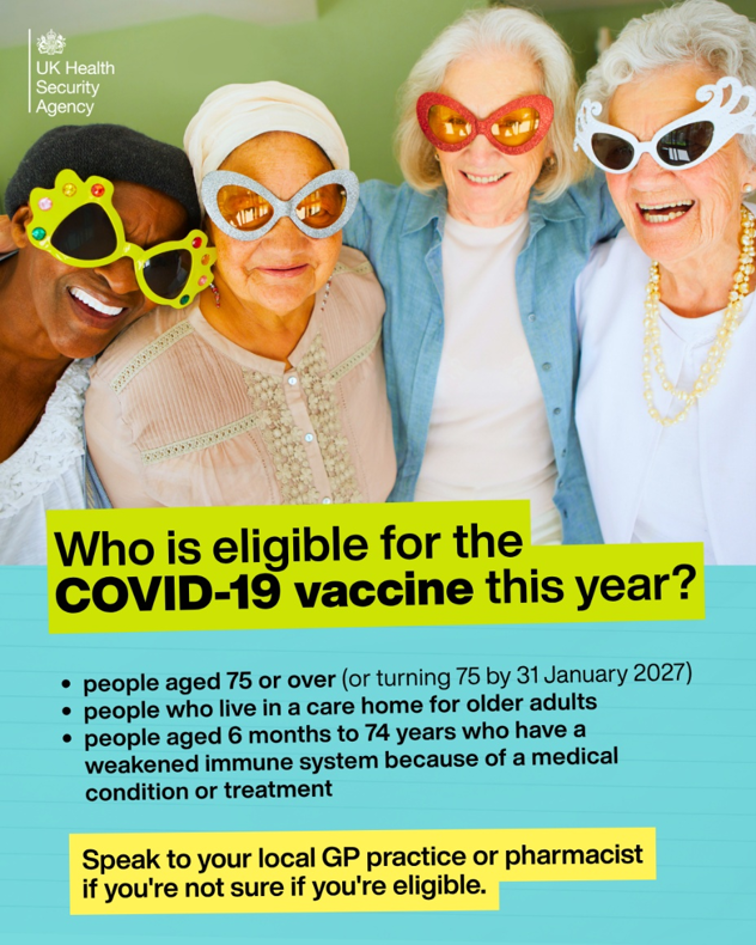
The booster is usually given around 6 months after your last COVID-19 vaccine. For autumn 2026, the COVID-19 booster vaccine will be offered free to people who:
- are aged 6 months and over with a weakened immune system
- live in a care home for older adults
- are aged 75 and over
If you have lupus, you can get the booster if you are taking immunosuppressant medicines like:
- rituximab or another biologic medicine
- steroids in certain doses
- mycophenolate
- methotrexate
Some people with lupus may also be able to get the vaccine because of other conditions, like chronic kidney disease (stage 3, 4 or 5).
Sometimes, people are wrongly told they can’t have the booster, or they don’t receive an invitation to get one. This might be because the person started taking immunosuppressants after invitations were sent, or because certain information wasn’t sent between a hospital and a GP. If you believe you can have the booster but haven’t been invited, speak to your GP.
Find out more about the COVID-19 vaccine and how to get it at the links below:
RSV vaccine
RSV is common between November and February. It can cause a cough, a blocked nose, wheezing, shortness of breath and a high temperature.
An RSV infection usually gets better by itself. But it can be serious for babies, older adults and people with a weakened immune system.
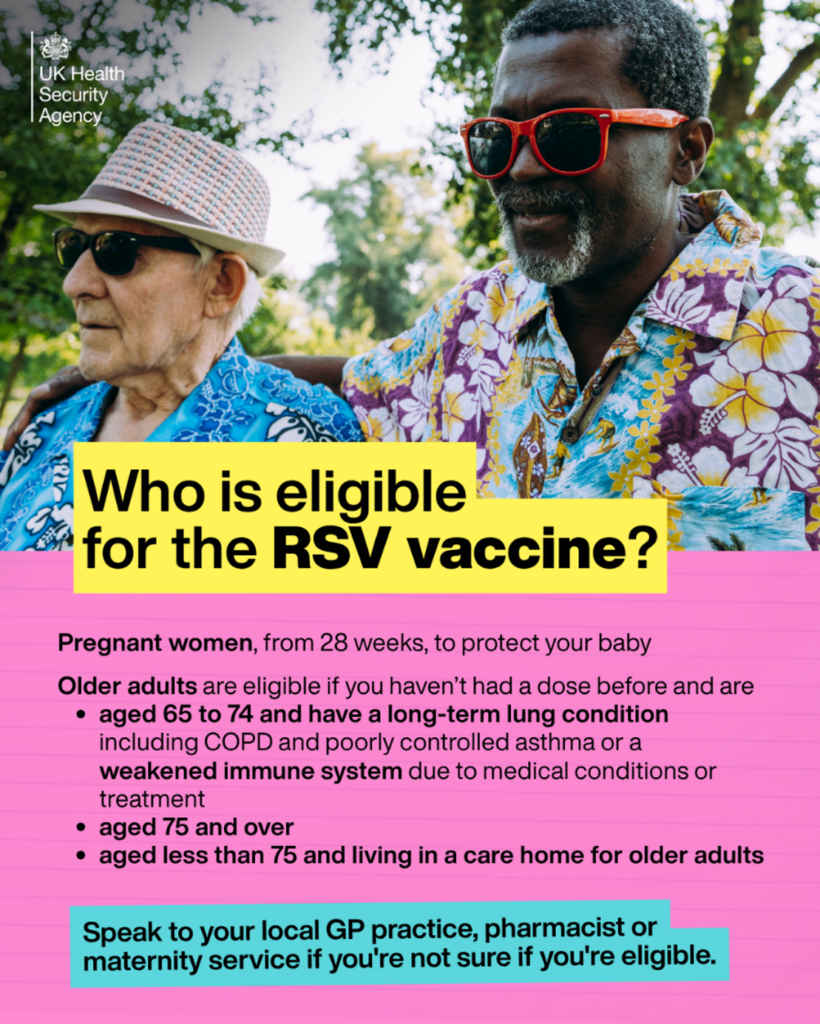
For autumn 2026, you can get a free RSV vaccine if you are:
- aged 65 to 74 and have a weakened immune system or a long-term lung condition (this doesn’t include asthma that is under control)
- aged 75 or over
- living in a care home for older adults
- 28 weeks pregnant or more
If you have lupus, you can get the RSV vaccine for free if you are taking:
- rituximab or another biologic medicine
- steroids in certain doses
- other immunosuppressant medicines
Find out more about the RSV vaccine and how to get it at the links below:
You can get your winter vaccines through:
- Your GP surgery
- Local pharmacies
- Maternity / antenatal services (for pregnant women)
If you’re unsure which vaccines you can have, speak to your GP, rheumatology nurse, or pharmacist. They can check your records and tell you which vaccines you can have.