People living with immune-mediated inflammatory diseases (IMIDs), including lupus, in Scotland face persistent challenges in accessing timely diagnosis, equitable care, and the support needed to manage lifelong, complex conditions.
The Scottish Report, led by the National Rheumatoid Arthritis Society (NRAS) in collaboration with Crohn’s & Colitis UK, Lupus UK, the National Axial Spondyloarthritis Society, and the Psoriasis Association, brings together the experiences of more than 1,250 people across Scotland living with conditions such as lupus, inflammatory bowel disease, rheumatoid arthritis, and psoriasis.
Lupus UK played an active role in shaping the report, contributing to the development of survey questions and ensuring that the experiences of people living with lupus are reflected throughout the findings.
The report highlights where the system is falling short – and what needs to change so people can live better lives.
Key Findings At a Glance
- 55% needed three or more GP visits before referral to a specialist
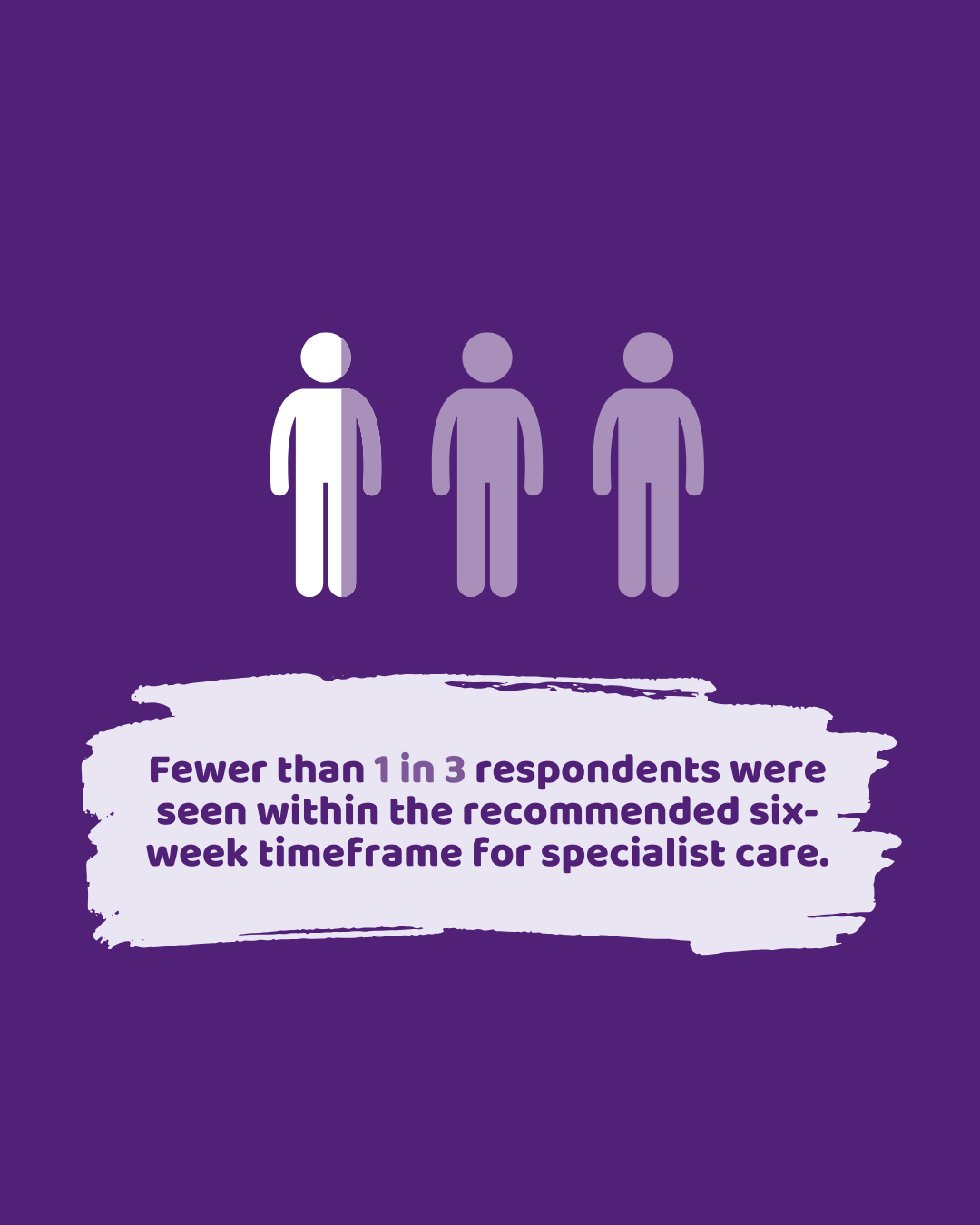
- Fewer than 1 in 3 were seen within six weeks (the recommended time-frame)
- 1 in 4 were seen outside NHS Scotland’s 18-week referral-to-treatment standard
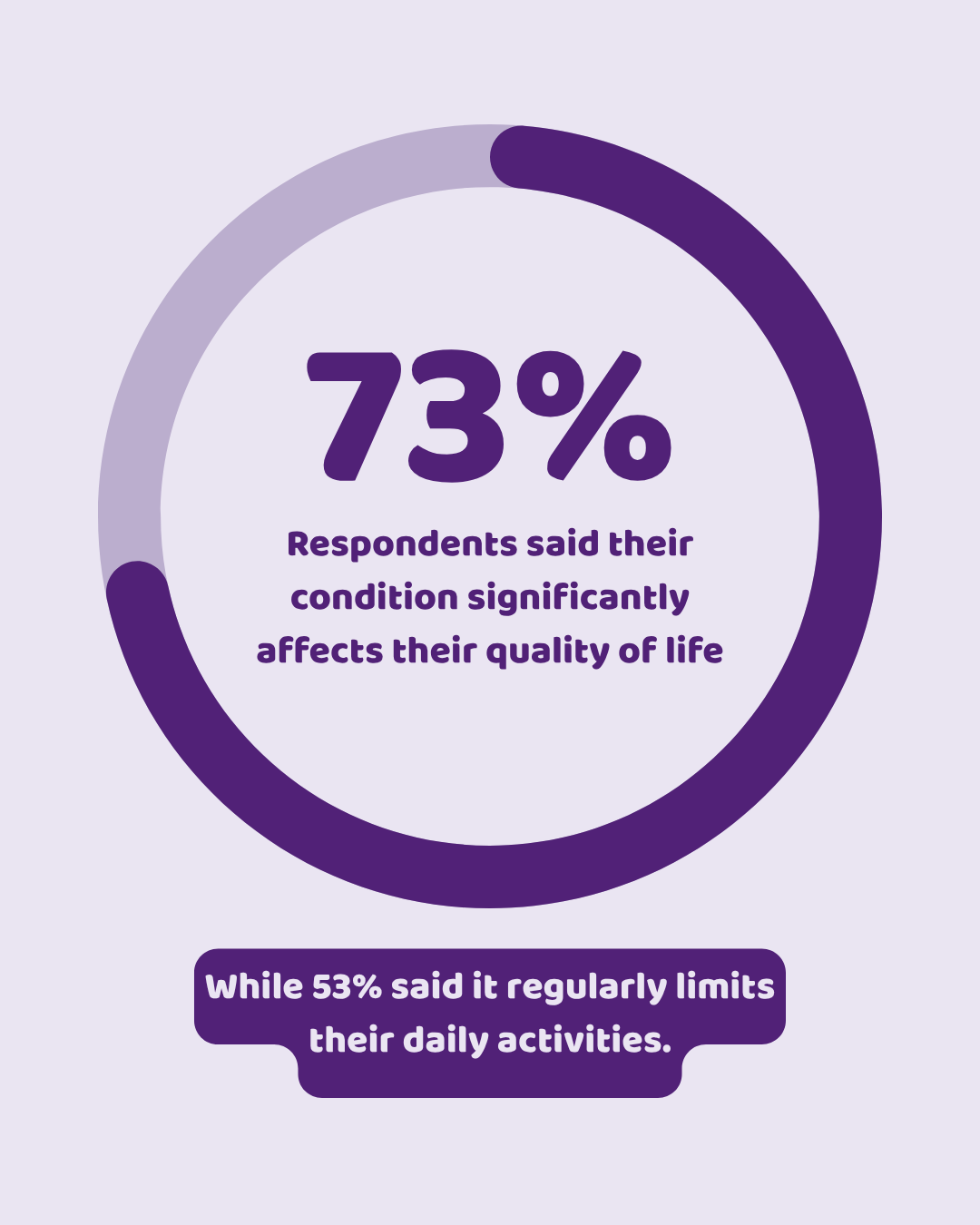
- 73% said their condition significantly affects their quality of life
- 53% said their condition regularly limits daily activities
- 45% were not referred to a patient organisation at diagnosis
- Only 25% of people diagnosed in the last five years feel confident self-managing their condition
- 34% feel very or completely confident managing their condition (only 19% for lupus)
- 82% do not undertake any form of self-monitoring
- 68% want access to further education and supported self-management resources
What This Means For People Living With Lupus
For people living with lupus, these findings reinforce well-documented and ongoing challenges:
- Delays to diagnosis and treatment: Long waits after symptoms begin, multiple GP visits, and slow referrals to specialist care
- Unequal access to care: Limited access to multidisciplinary teams, with greater barriers in rural and island areas
- Impact on daily life: Ongoing pain, fatigue, mental health challenges, and difficulty working, with many living with multiple conditions
- Missed support opportunities: Inconsistent referrals to patient organisations leave people feeling isolated and unsure how to manage their condition
Why This Matters to Lupus UK
At Lupus UK, we know that early diagnosis, access to specialist care, and the right support can make a life-changing difference.
This report provides important, Scotland-specific evidence that will strengthen our work to:
- Advocate for faster diagnosis and improved care pathways
- Drive improved access to specialist lupus services and multidisciplinary care
- Promote consistent referral to patient organisations at diagnosis
- Highlight the importance of education and supported self-management
We will use these findings to inform our ongoing policy and influencing work with the Scottish Government and NHS Scotland, as well as to shape future support services for people living with lupus.
What Needs to Change
Lupus UK believes people with lupus and other IMIDs deserve:
- Greater public awareness of these conditions and their symptoms
- Earlier diagnosis and faster access to specialist care
- Better joined-up services across primary and secondary care
- Fair access to care, no matter where someone lives
- Stronger support to build confidence in self-management
- Routine referral to patient organisations at diagnosis
As a patient-led charity, Lupus UK is committed to working with partners across Scotland to turn these findings into meaningful improvements in care.
Read the full report:
https://nras.org.uk/wp-content/uploads/sites/2/2026/04/The-Scottish-Report-final-21.04.2026-1.pdf