During the colder months, viruses like flu, COVID-19, and respiratory syncytial virus (RSV) circulate more widely. For people with lupus, especially those taking immunosuppressive medicines, these infections can lead to more severe illness and longer recovery times. Vaccination remains one of the most effective ways to prevent serious respiratory infections and reduce the risk of hospitalisation.
The NHS is offering free vaccines this winter to help protect those most at risk.
Flu Vaccine
Flu can cause high fever, muscle aches, fatigue, and breathing difficulties. People with lupus may be more vulnerable to complications due to immune system changes or medications such as steroids or immunosuppressants.
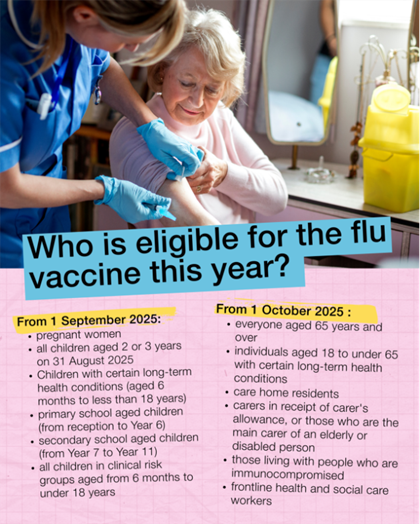
The flu vaccine protects against the main circulating strains each year. It is recommended for all eligible adults and children, including people with long-term health conditions or weakened immune systems. More people are eligible for the flu vaccine than the covid-19 booster vaccine.
For more information on flu vaccines and how to book please refer to these links
COVID-19 Vaccine
COVID-19 continues to pose a risk year-round. The autumn 2025 programme focuses on those at highest risk of serious disease. You can get the autumn 2025 booster if you:
- are aged 6 months and over with a weakened immune system
- live in a care home for older adults
- are aged 75 and over
The Covid-19 vaccine can usually be given around six months after your last dose and is safe to have at the same time as the flu vaccine. Getting a COVID-19 vaccine can cut your risk of being hospitalised by about half compared to people who haven’t had a dose in the last six months.
If you have lupus and are on medicines that affect your immune system, you may be eligible for the autumn COVID-19 booster, but eligibility depends on your specific treatment. Having lupus as a health condition does not automatically make you eligible for a covid-19 vaccine.
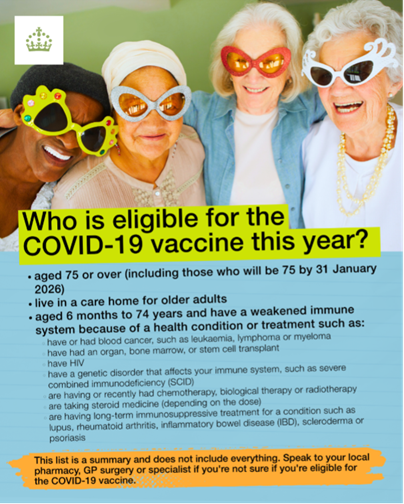
In lupus, eligibility is usually linked to long-term immunosuppressive treatments such as rituximab, mycophenolate mofetil, or higher doses of steroids. Hydroxychloroquine on its own does not count as an immunosuppressant, so does not make you eligible.
Some people with lupus may also qualify based on other health conditions, such as chronic kidney disease (stage 3–5).
Occasionally, people are wrongly refused or missed due to system errors between hospital and GP records, starting treatment after the invitations were sent, or misunderstandings of the guidance. If you believe you should be eligible but have not been invited, speak to your doctor.
For more information on how to book, what treatments make you eligible, or who to contact if you haven’t received an invitation, please refer to the following links. The process differs across the UK nations, and even between local areas.
RSV Vaccine
RSV (respiratory syncytial virus) usually gets better by itself, but it can cause severe breathing problems, particularly in babies and older adults. For 2025/26, the NHS is offering this vaccine to:
- pregnant women (from 28 weeks)
- adults aged 75–79.
- adults who turned 80 after 1st September 2024
The RSV vaccine, when given during pregnancy, passes on through placenta to the baby to protect them against RSV infection.
For more information on RSV vaccine please refer to these links:
Getting Your Vaccines
You can get your winter vaccines through:
- Your GP surgery or hospital clinic
- Local pharmacies offering NHS vaccines
- Antenatal services (for pregnant women)
If you’re unsure which vaccines you’re eligible for, speak with your GP, rheumatology nurse, or pharmacist. They can check your records and make sure you’re protected.